Ground teams connect with astronauts aboard the International Space Station to help them carry out research and experiments. Kassandra Stephens, payload communications manager at the Payload Operations Integration Center at Marshall Space Flight Center, works with space station crews to get science done.
Small Steps Giant Leaps#NASA#Podcast#Small Steps Giant Leaps
Astronauts aboard the International Space Station depend on life support systems that provide clean air, drinkable water, and a safe, livable environment. These systems are what make long-duration spaceflight not only possible, but comfortable. Today, some of these space station technologies have been adapted for Artemis – specifically, aboard the Orion capsule.
A NASA research program collaborates with universities to revolutionize the way we design, build, and operate aircraft. Angela Surgenor, deputy program director of the Transformative Aeronautics Concepts Program, explains.
Before scientists can use those satellite imagery for research, the data must be carefully calibrated to ensure measurements are accurate and consistent over time. Julia Barsi, NASA calibration scientist, explains.
Space & AstronomyEnvironment & Climate#NASA#Podcast#Small Steps Giant Leaps#astronomy#astrophysics#climate#decarbonization
What makes NASA’s Nancy Grace Roman Space Telescope a powerful tool with an unprecedented wide view of the cosmos? NASA engineers who designed, built, and tested Roman pop the hood to explain the unique technology inside. Go inside the huge NASA clean room where Roman was built, and get an up-close look at the testing campaign that ensures Roman will succeed in the cold, inhospitable conditions of
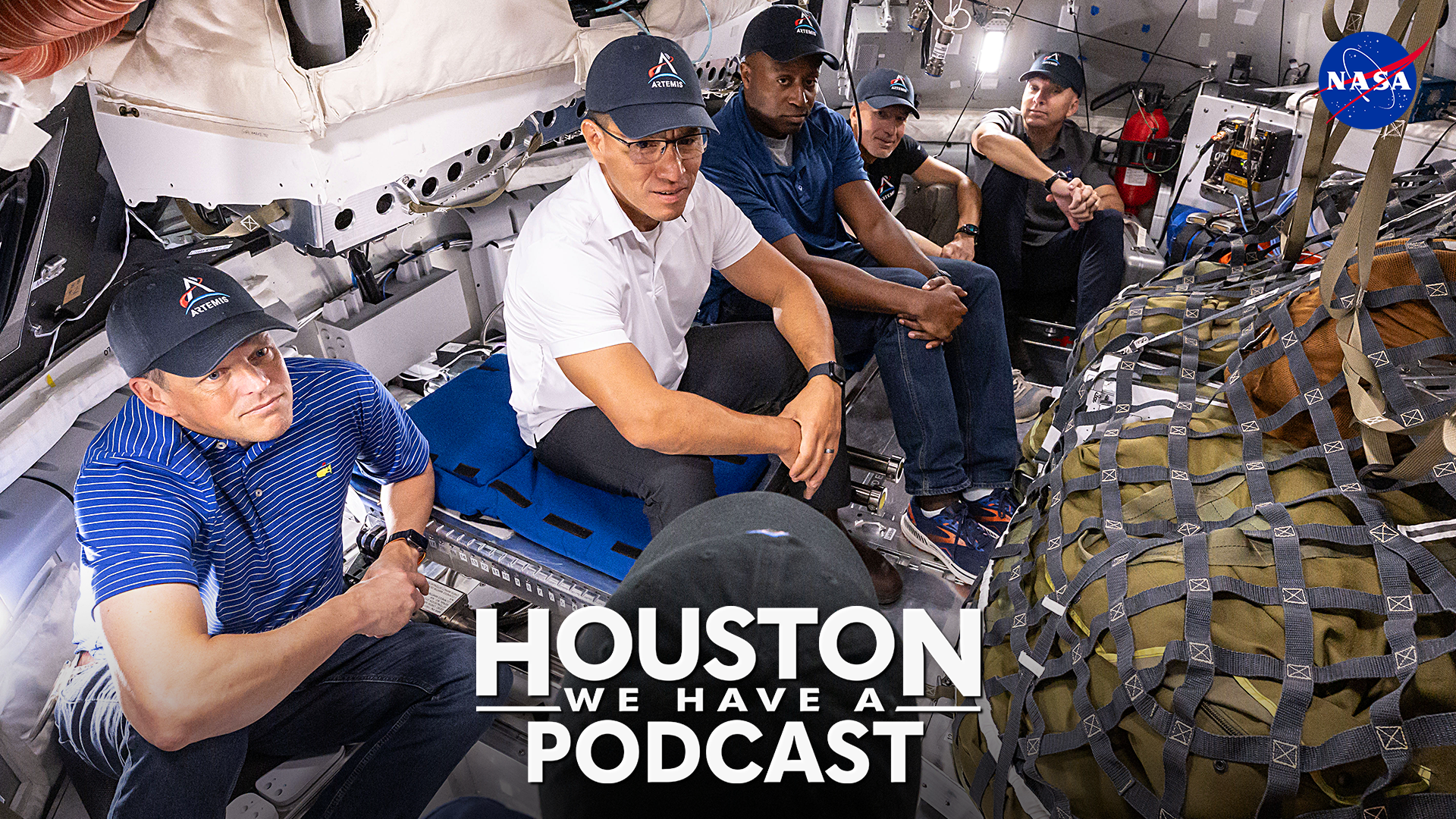
NASA Artemis III Chief Training Officer Debbie O’Connell discusses how the crew is preparing for one of NASA’s most challenging missions yet. Episode 434
Environment & Climate#NASA#Podcast#Houston We Have A Podcast#climate#decarbonization
NASA’s Nancy Grace Roman Space Telescope is on a quest to discover planets outside our solar system. NASA scientists Bertrand Mennesson and Vanessa Bailey explain how Roman’s wide view will spot as many as 100,000 new exoplanets in a galactic census that will change how we understand planetary system formation. And we’ll learn about an experimental camera that will allow scientists to take direct
Meet NASA’s newest space telescope: Roman. With similar resolution to Hubble but a field of view 100 times larger, the Nancy Grace Roman Space Telescope will settle essential questions in astronomy. NASA scientists Josh Schlieder and Alina Kiessling explain how that wide view will help us understand dark energy, one of the most puzzling mysteries in space. We’ll also meet Nancy Grace Roman, who jo
Space & Astronomy#NASA#Podcast#Curious Universe#astronomy#astrophysics
Dr. Abba Zubair discusses how stem cell research aboard the International Space Station is advancing regenerative medicine and what scientists learned from a recently published study. Episode 432
Space & AstronomyMedical ResearchLife Sciences#NASA#Podcast#Houston We Have A Podcast#astronomy#astrophysics#medical research#clinical research#genomics
NASA is about to launch the Nancy Grace Roman Space Telescope, which will change the way we see the universe and settle essential questions about some of the biggest mysteries out there. In a new limited series, Curious Universe takes you behind the scenes with NASA scientists and engineers who made Roman a reality—no Ph.D required.
Space & Astronomy#NASA#Podcast#Curious Universe#astronomy#astrophysics
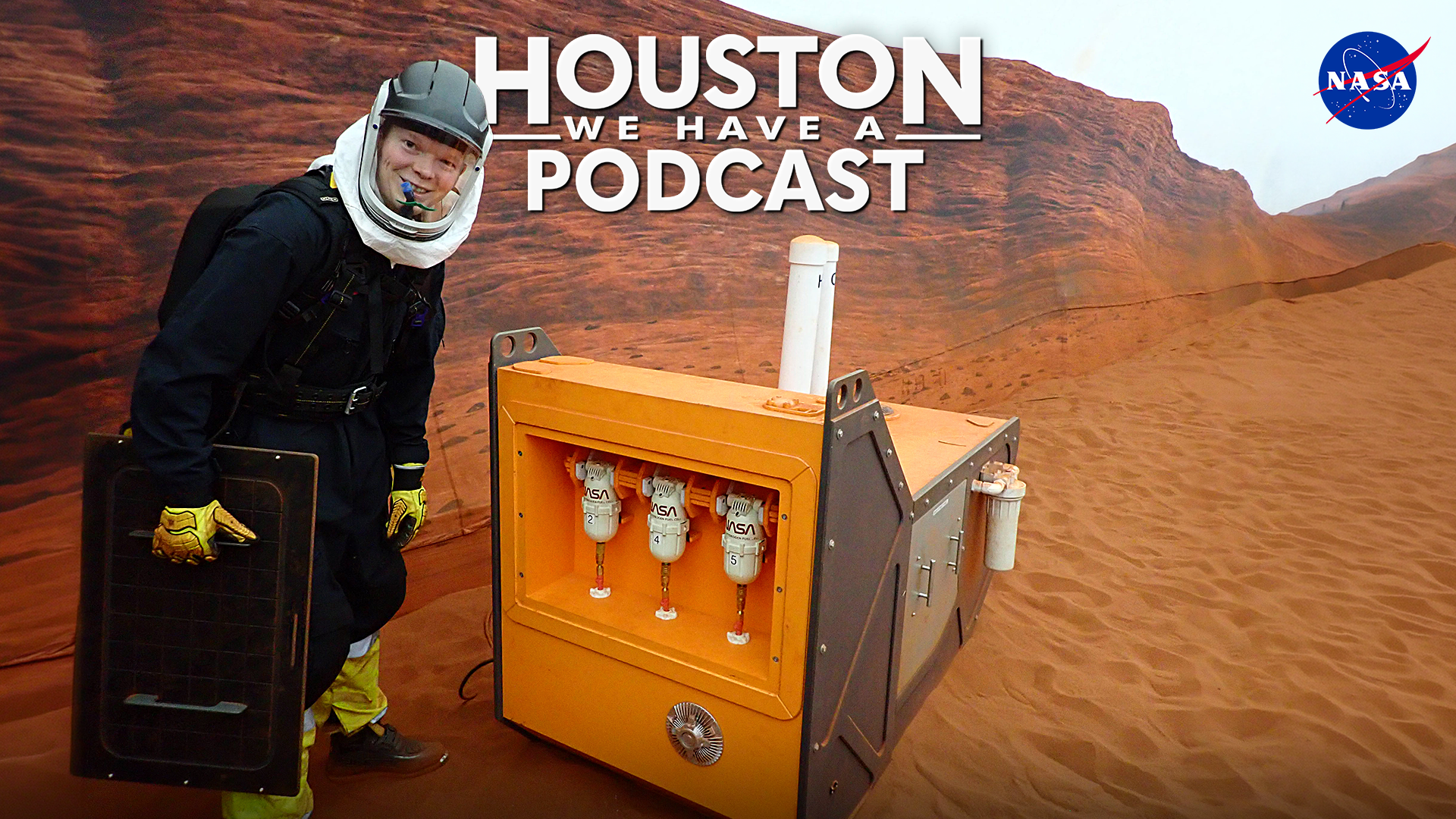
NASA’s CHAPEA 2 crew shares what it was like to operate through a simulated two-week communications blackout with Earth, and NASA analog scientist Sarah Whiting explains what researchers are learning for future Mars missions. Episode 431
Medical ResearchEnvironment & Climate#NASA#Podcast#Houston We Have A Podcast#medical research#clinical research#climate#decarbonization
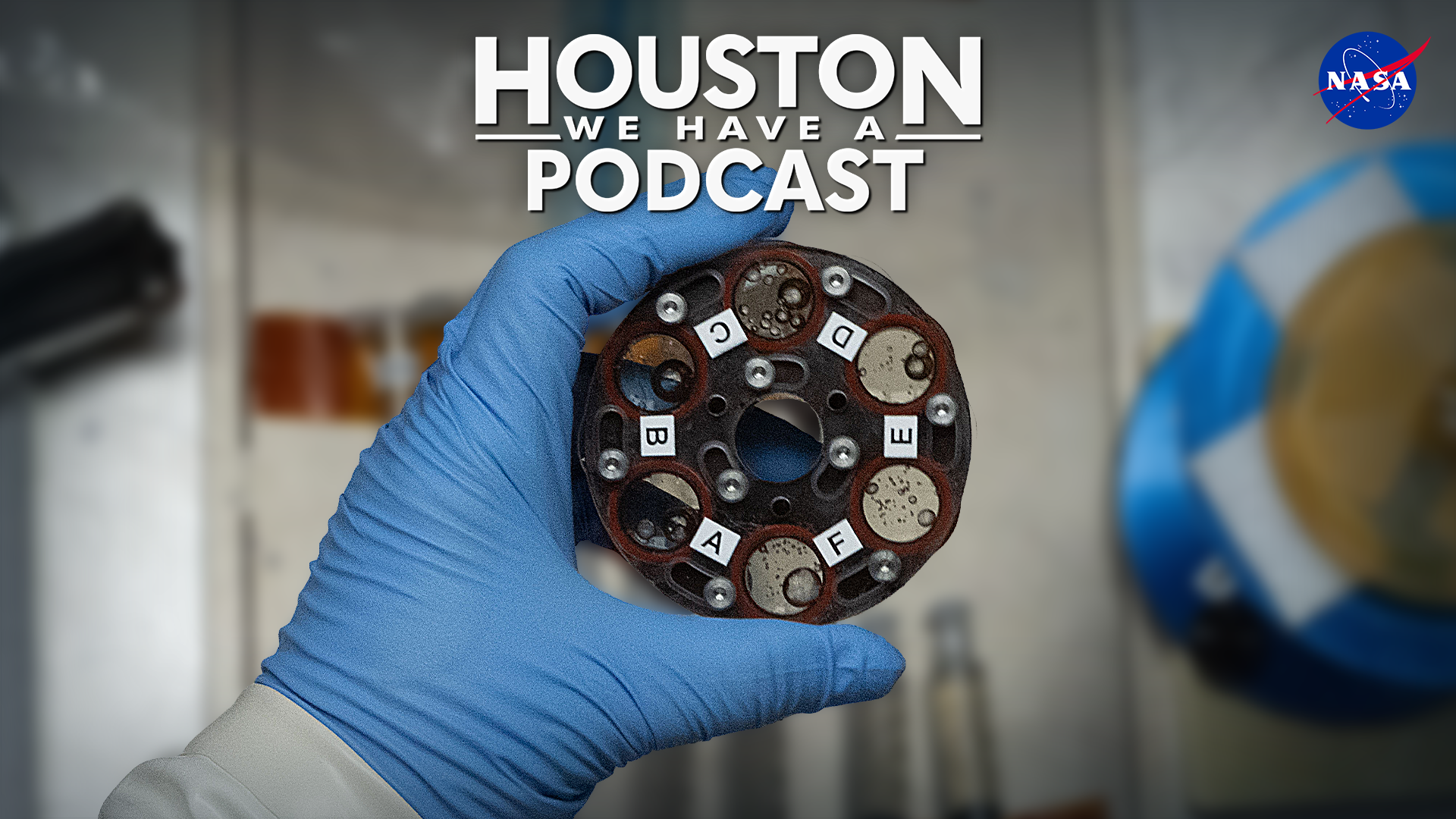
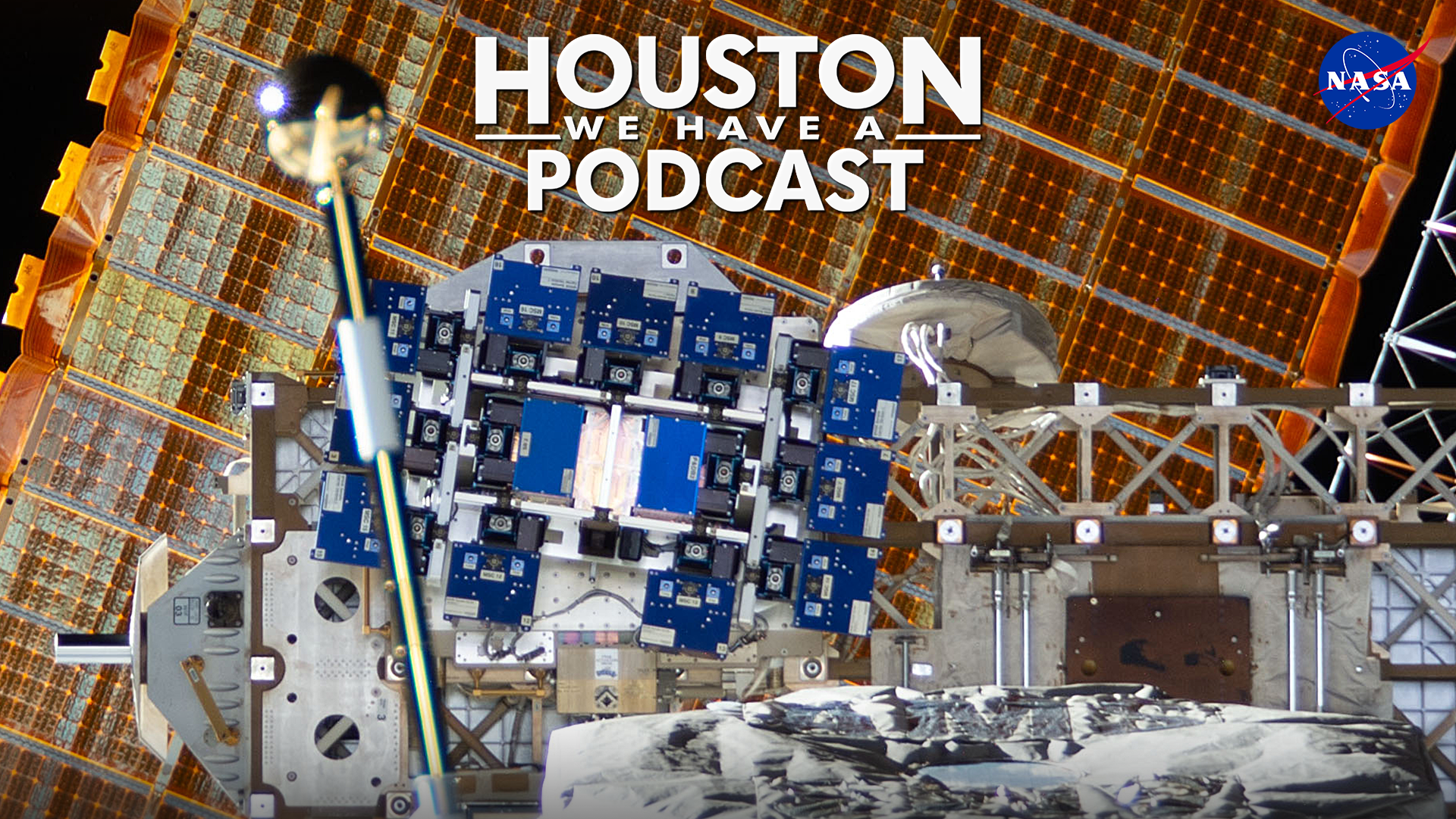
Kim de Groh and Sylvie Crowell review what researchers have learned and published from the Materials International Space Station Experiment (MISSE) platform that tests how materials perform in the harsh environment of space.
Space & AstronomyMedical ResearchEnvironment & Climate#NASA#Podcast#Houston We Have A Podcast#astronomy#astrophysics#medical research#clinical research#climate
In its mission to explore the unknown in air and space, NASA ends up inventing a lot of new things. Then, the agency “spins off” those inventions to companies that produce products to make our lives easier and safer here on Earth. From memory foam mattresses and cordless power tools to wireless headphones and dating apps, NASA Technology is all around you, even if you’re not an astronaut.
Medical Research#NASA#Podcast#Curious Universe#medical research#clinical research
Acompáñanos en esta edición especial de Universo curioso de la NASA mientras hacemos un recorrido por la misión Artemis II de principio a fin. Revivimos la expectación en los días previos al despegue, la potencia del histórico lanzamiento y el increíble viaje de la tripulación a través del espacio profundo. Exploramos los momentos más críticos de la misión —desde el emocionante sobrevuelo lunar ha
Universo Curioso De La Nasa#NASA#Podcast#Universo Curioso De La Nasa
We answer your questions from Threads! HWHAP celebrates nine years of podcasting by bringing on Dr. Kelsey Young to discuss the Artemis II lunar science team, and the crew's lunar flyby observations and photo targets.
Space & Astronomy#NASA#Podcast#Houston We Have A Podcast#astronomy#astrophysics
Dr. Giuseppe Iaria discusses scientific results from the Wayfinding investigation on space station and what it reveals about how astronauts navigate, adapt, and form mental maps in space. Episode 427.
Medical ResearchLife SciencesTechnology & Innovation#NASA#Podcast#Houston We Have A Podcast#medical research#clinical research#genomics#biology#advanced materials
Meet the astronauts who will fly on Artemis III: Commander Randy Bresnik, Pilot Luca Parmitano, and Mission Specialists Frank Rubio and Andre Douglas. In this special presentation of Houston We Have a Podcast, the Artemis III astronauts discuss their backgrounds and training ahead of them to prepare for one of the most complex human spaceflight missions in history. For more information about Artem
Medical ResearchEnvironment & Climate#NASA#Podcast#Curious Universe#medical research#clinical research#climate#decarbonization