As concerns about polarization grow across democracies worldwide, Dr. Max Cameron, professor of political science at the UBC school of public policy and global affairs, believes Canadians still have an opportunity to choose a different path.
We spoke with Dr. Cameron about his new book, Divided We Fall, which explores what’s driving political division, the lessons Canada can learn from the United States and the role citizens can play in strengthening democracy.
What was your inspiration for writing this book?
The seed for this book was planted in a Lind seminar I taught with Kathryn Gretsinger, associate professor of teaching at the school of journalism, writing and media, on uncivil discourse and polarization in the U.S. That deep dive left me thinking we needed a similar analysis for Canada.
As I began writing, Donald Trump was elected to a second term and started talking about Canada as a prospective 51st state. Rather than becoming more polarized, Canadians suddenly became more united — there was a renewed spirit of patriotism as we got our “elbows up” in indignation. That became the inspiration for the book.
Rather than offering instructions, I found myself reflecting on what Canadians were showing the world through the way we came together. It’s a book written by a political scientist as a citizen for fellow citizens — meant to help us avoid the path the United States has taken toward division and democratic erosion.
In your book you note that while polarization often precedes the breakdown of democracy, it doesn’t necessarily lead to it. Where do you think Canada is headed?
Some polarization is normal and healthy in a pluralistic democracy — we enter politics because we have different visions of the good life. As Governor General Louise Arbour put it, extreme polarization is dangerous, but so is extreme consensus; our differences nourish critical thinking and creativity.
Disagreement is healthy, but we need to disagree in ways that strengthen democracy rather than weaken it. Research shows democratic breakdown is almost always preceded by extreme, or “pernicious,” polarization, where differences become so severe that people start tolerating anti-democratic behaviour.
Avoiding that requires a balancing act: compassion, empathy and good listening, but also knowing when to call out and resist polarization used as a tool of domination.
What do you hope this book stirs in its readers?
In the face of division and the growing threat of authoritarianism, I want Canadians to reflect on how we can all become better citizens, and how we can use this moment of crisis to strengthen our democracy.
Sovereignty means deciding our own future for ourselves — having the capacity, engagement and judgment to decide together what we should do, then pursue it collectively. Many of us are conflict-avoidant; we shrink from the negativity of politics. But if we all retreat into our private lives, we cease to be a self-governing community.
The thrust of the book is to encourage Canadians to take on the responsibilities of citizenship — not only voting, joining political parties and other civic associations, and voicing our opinions in the public sphere, but also telling stories that build cohesion, learning the civic skills to engage in conflicts constructively, and serving our community in whatever ways we can. These habits and practices build the character we need to be a self-governing community of equal citizens. And despite the challenges we face, I’m optimistic that we can become a more robust and vibrant civic community.
Interview language(s): English, Spanish
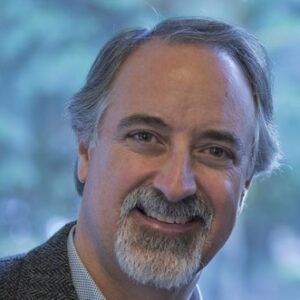
Featured Researcher
Max Cameron, PhD University of California, Berkeley (1989)
Professor, Dept. of Political Science, School of Public Policy and Global Affairs
Source: https://news.ubc.ca/2026/09/divided-we-fall-new-book/