Precise manipulation of large genomic fragments is a critical need in crop breeding and synthetic biology. In crop genomes, superior traits are often associated with structural variations. However, existing large-fragment editing tools such as CRISPR-Cas systems and site-specific recombinases have limitations. In 2024, the development of the bridge RNA-guided IS110-family recombinase system provid
Medical ResearchLife Sciences#Chinese Academy of Sciences#Research News#medical research#clinical research#genomics#biology
DNA double-strand breaks (DSBs) are posing serious threats to genome stability. During mitosis, cells mainly rely on polymerase theta (Polθ) -mediated repair to fix these breaks. However, how the CIP2A-TOPBP1 complex regulates this process remains unclear. In a study published in PNAS , a team led by Prof. ZHAO Guoping from the Hefei Institutes of Physical Science of the Chinese Academy of Science
Medical ResearchLife SciencesProteins#Chinese Academy of Sciences#Research News#Proteins#medical research#clinical research#genomics#biology
Daniel Lee has been awarded a $750,000 Tauopathy Challenge Workshop grant supported by the Rainwater Charitable Foundation, the Alzheimer’s Association, the Aging Mind Foundation and CurePSP.
Medical ResearchLife Sciences#University of Kentucky#medical research#clinical research#genomics#biology
Adelaide researchers are challenging decades-old assumptions about brain cancer treatment in a bid to make radiation therapy more effective against tumours, while reducing damage to healthy tissue.
The U.S. National Science Foundation is investing $90 million over five years to support three new NSF Science and Technology Centers (NSF STC). These centers will advance American leadership in…
Fusion EnergyMedical ResearchLife Sciences#U.S. National Science Foundation#fusion#plasma physics#medical research#clinical research#genomics#biology
Soil salinization poses a serious threat to global rice production. At present, the natural‑variation‑based genetic basis of rice salt tolerance remains poorly understood, and only a handful of major genes related to salt tolerance have been functionally characterized. It is critical to identify key gene modules in salt signaling pathways. In a study published in Developmental Cell on August 28, a
Life SciencesSustainable Development#Chinese Academy of Sciences#Research News#Sustainable Development#genomics#biology
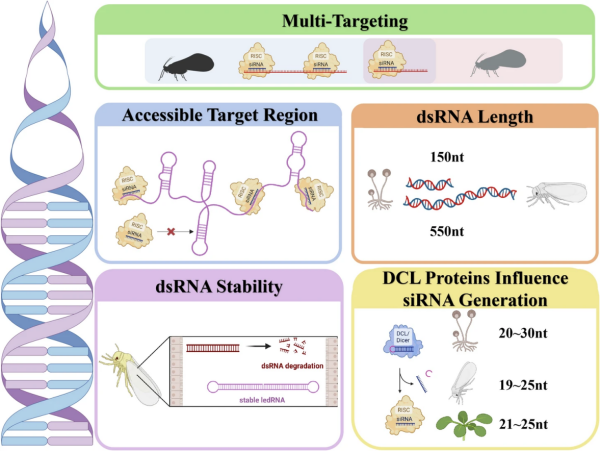
A research team has recently published a systematic reference framework for advancing Spray-Induced Gene Silencing (SIGS) from proof-of-concept toward industrialization. Led by Prof. ZHANG Tao from the Xinjiang Institute of Ecology and Geography (XIEG) of the Chinese Academy of Sciences (CAS), in collaboration with researchers from the Institute of Germplasm Resources and Biotechnology under the T
Life SciencesEnvironment & ClimateBioengineering#Chinese Academy of Sciences#Research News#Bioengineering#genomics#biology#climate#decarbonization
Glycosphingolipids (GSLs) are sugar-containing membrane lipids that help organize cell surfaces and regulate signaling, immune recognition, differentiation and neuronal function. Human cells produce several hundred GSL species through stepwise modification of their sugar groups, and this diversity begins with a single committed reaction, in which uridine diphosphate glucose (UDP-glucose) ceramide
Medical ResearchHealth#Chinese Academy of Sciences#Research News#Health#medical research#clinical research
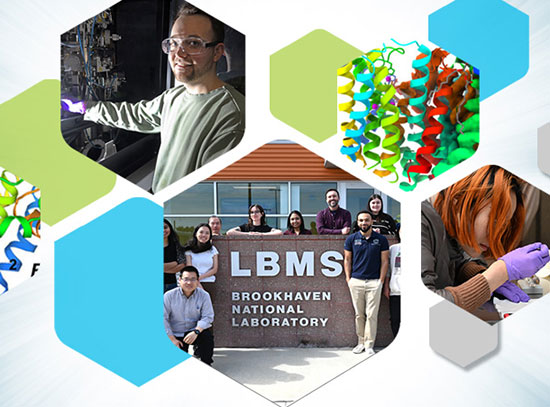
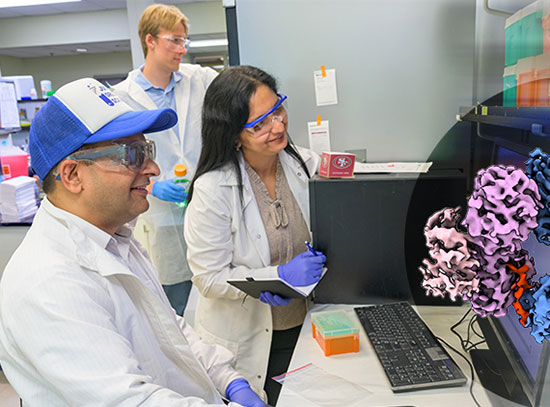
LBMS marks five years as a leading cryo-EM facility, advancing biological discovery through cutting-edge imaging and collaboration.
Medical ResearchLife SciencesEnvironment & Climate#Brookhaven National Laboratory#medical research#clinical research#genomics#biology#climate#decarbonization
Researchers uncover a critical molecular switch that helps bacteria survive environmental stress and antibiotic exposure.
Medical ResearchLife SciencesEnvironment & Climate#Brookhaven National Laboratory#medical research#clinical research#genomics#biology#climate#decarbonization
Methane emissions from cattle and sheep contribute to global greenhouse gas emissions and reflect a loss of dietary energy that could otherwise support animal growth and productivity, which is a major challenge for sustainable livestock production. M ost existing approaches to reduce methane emissions focus primarily on suppressing methanogenesis. In a study published in The Innovation , a researc
Life SciencesEnvironment & ClimateSustainable Development#Chinese Academy of Sciences#Research News#Sustainable Development#Pollutants#genomics#biology#climate#decarbonization
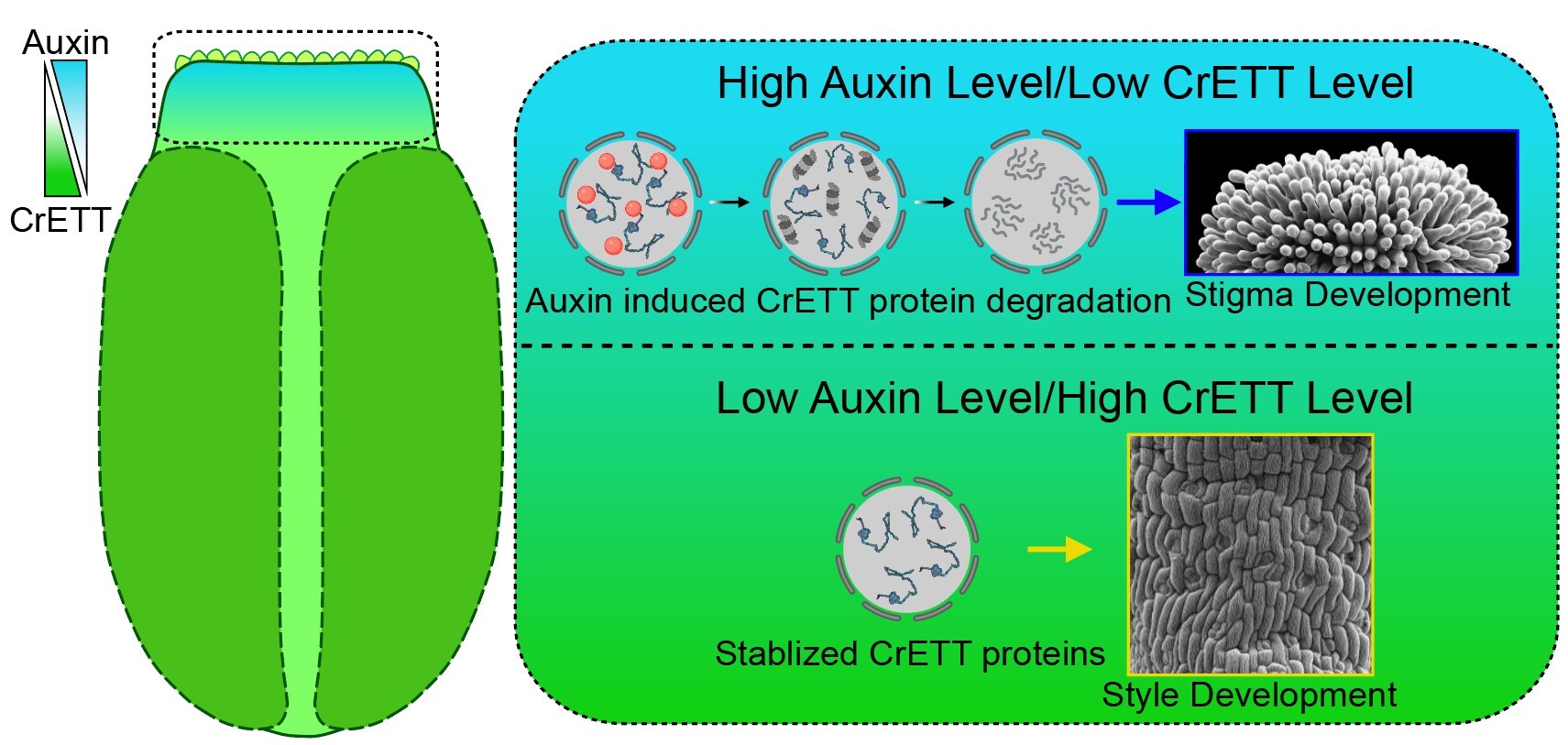
Have you ever wondered how a flower ensures that it's pollen-catching "landing pad" (the stigma) stays neatly separated from the "pollen tube highway" beneath it (the style)? This clear boundary is crucial for plant reproduction, but for decades, biologists didn't know how it was drawn. In a study published in PNAS , researcher s from the Institute of Botany of the Chinese Academy of Sciences (CAS
Life SciencesEvolution#Chinese Academy of Sciences#Research News#Evolution#genomics#biology
Research NewsUniversity of Minnesota Medical School
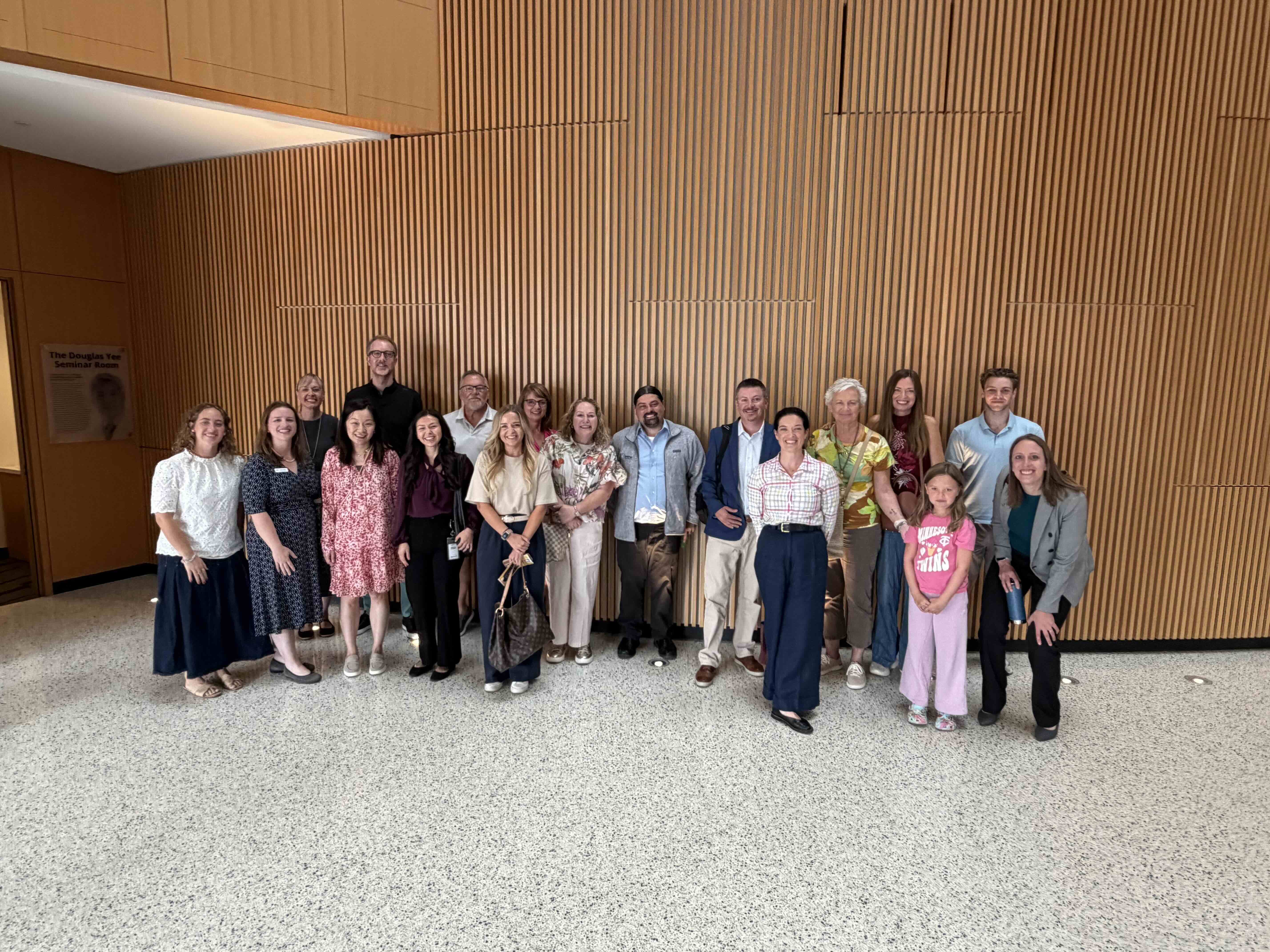
Early Investment in an Emerging Scientist The Children’s Cancer Research Fund (CCRF) recently visited the Center for Genome Engineering at the University of Minnesota.
Medical ResearchLife SciencesResearch#University of Minnesota Medical School#UMN Medical School#CGE#research#TIL#medical research#clinical research#genomics